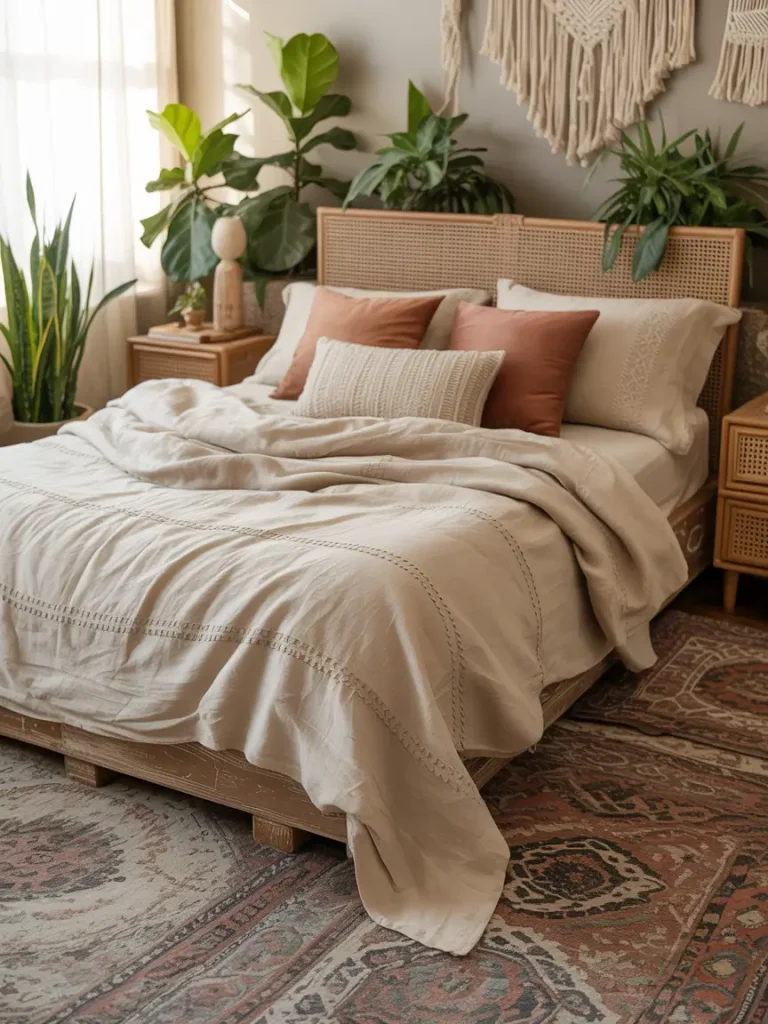
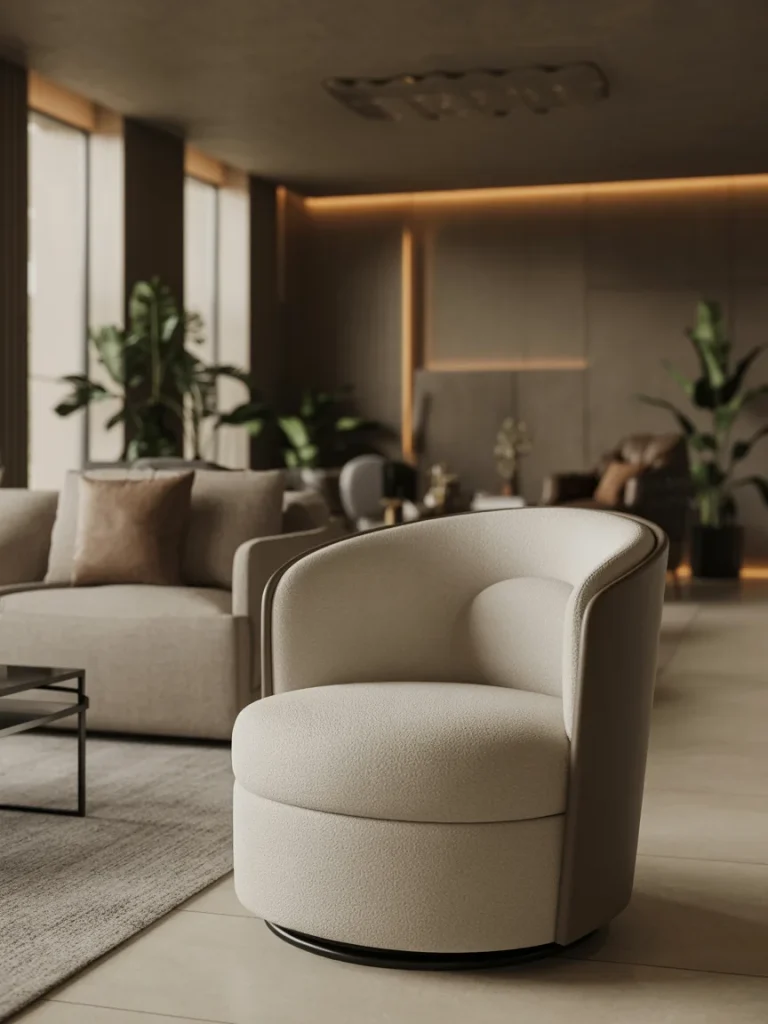
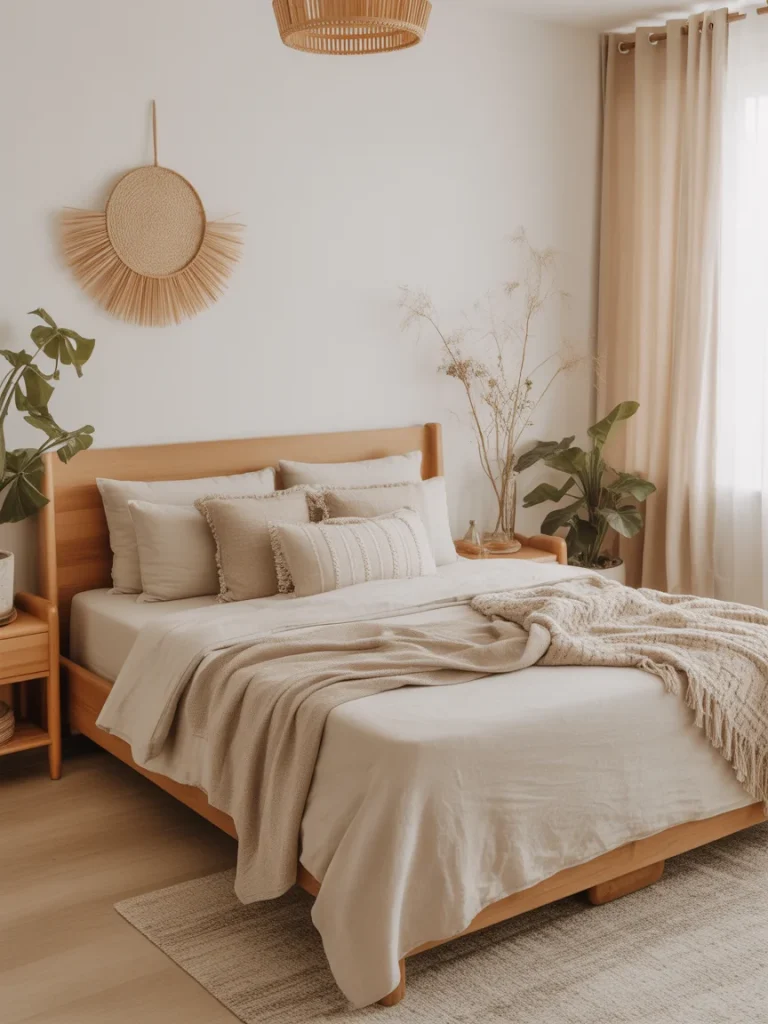
Looking to transform a corner of your home into the light-filled oasis of your dreams? These indoor sunroom ideas will help you style a space that’s bright, cozy, and effortlessly inviting—whether your sunroom is a true four-season room, a converted porch, or a glassy nook that soaks up afternoon rays. From seating layouts and plant styling to smart climate control and layered lighting, you’ll find inspiration here to turn sunlight into your favorite daily ritual. If you want to bounce even more daylight around, explore these living room mirror ideas for clever placement and shapes.
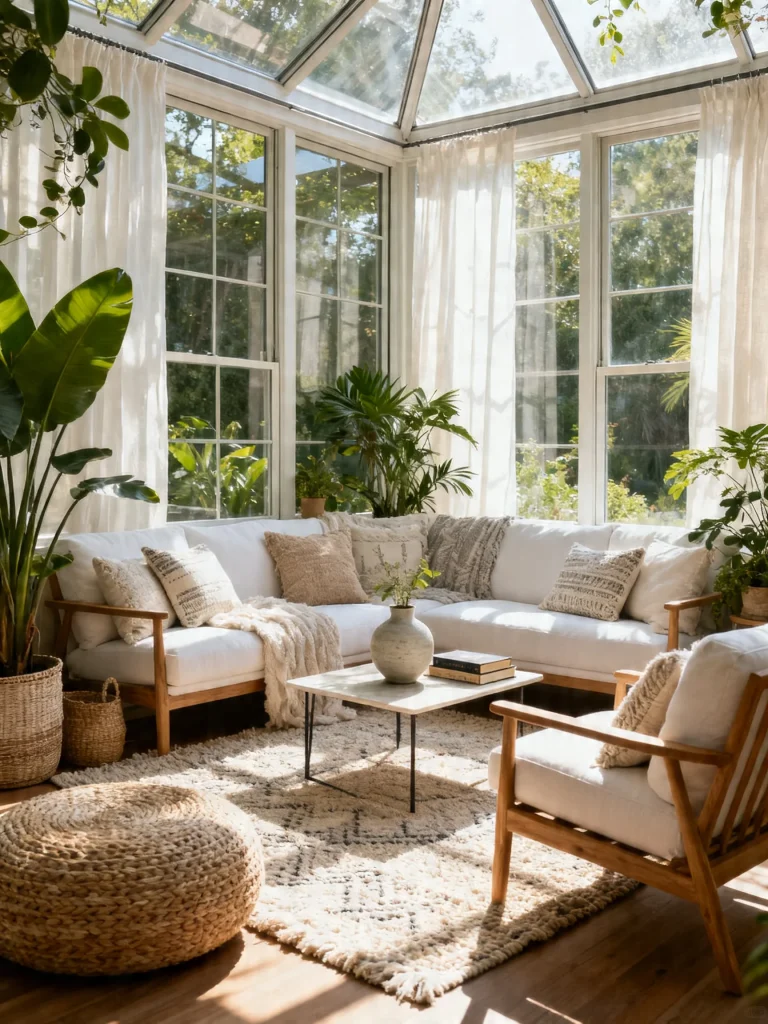
Why a sunroom? Natural light boosts mood, houseplants thrive, and the space flexes from morning coffee zone to evening unwind spot. Keep reading for 12 easy-to-adapt ideas you can mix and match for your square footage, budget, and style.
1. Maximize Natural Light
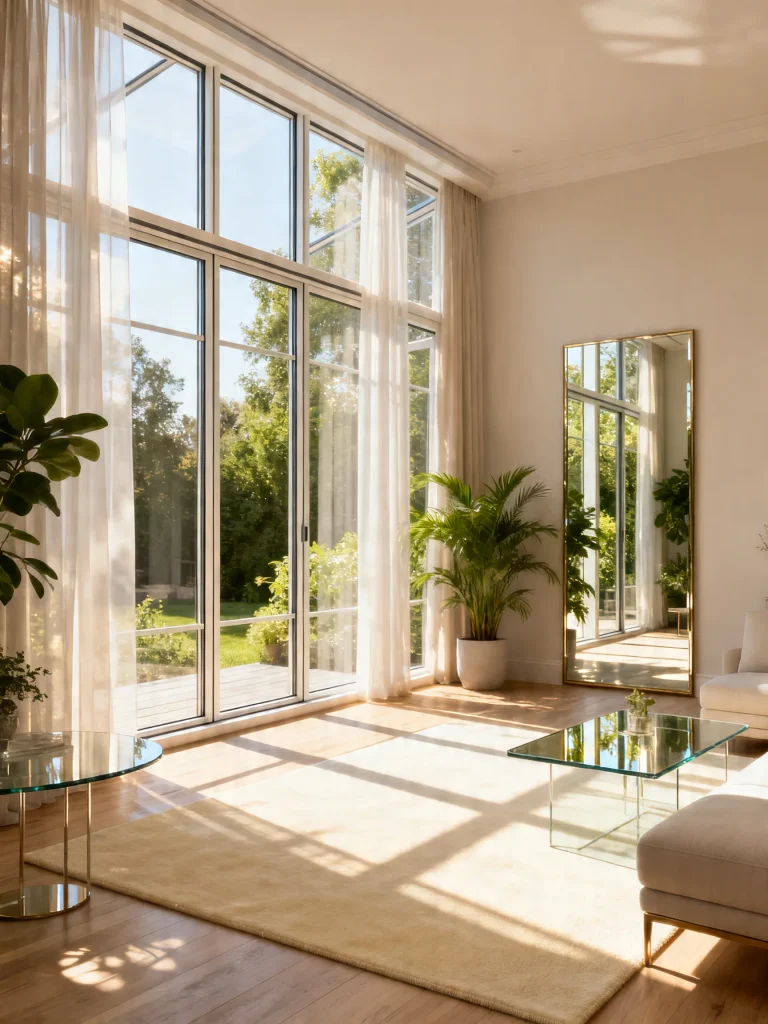
The heart of any sunroom is sunshine. Start by making your windows the star. If you’re renovating, consider expanding glazing, adding transoms above doors, or incorporating a skylight to pull in more sky. For existing rooms, keep window frames and mullions light, choose low-profile rods, and ditch bulky drapery hardware that intrudes on the view.
To amplify brightness, layer light-reflecting surfaces: a pale wall color, a light wood floor, and a large rug in a creamy neutral. A strategically placed mirror opposite a window can bounce daylight around and visually double your greenery.
- Choose airy sheers over heavy curtains to soften glare without stealing sunshine.
- Keep window glass impeccably clean—your simplest brightness upgrade.
- Use slim, glass-topped tables to keep sightlines open.
2. Grow a Green Oasis with Easy-Care Plants
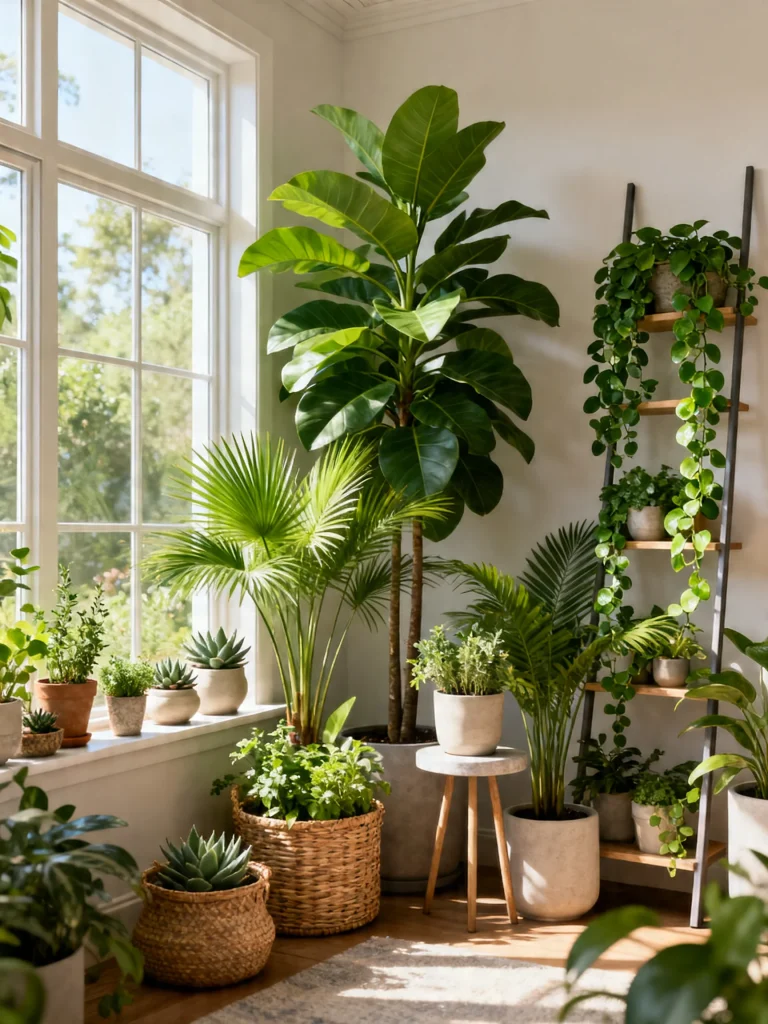
Nothing says “sunroom” like lush foliage. Layer heights and textures: start with a tall statement plant (a fiddle-leaf fig, rubber tree, or olive tree) and underplant with medium palms, trailing pothos, and compact herbs or succulents on the sill. Mixing baskets, ceramic planters, and neutral pots keeps things collected but cohesive.
Vary stands and pedestals to tier your display and leave room for seating. If your sunroom gets hot, pick sun lovers like jade plant, aloe, ponytail palm, and rosemary; for bright-indirect light, go for monstera, ZZ plant, or philodendron. Use saucers and plant trays to protect floors.
- Group plants in odd numbers (3s, 5s) for a relaxed, natural look.
- Rotate pots monthly for even growth and to refresh your view.
- Consider a slim shelving ladder to “green” a tight wall.
3. Choose Natural-Texture Seating
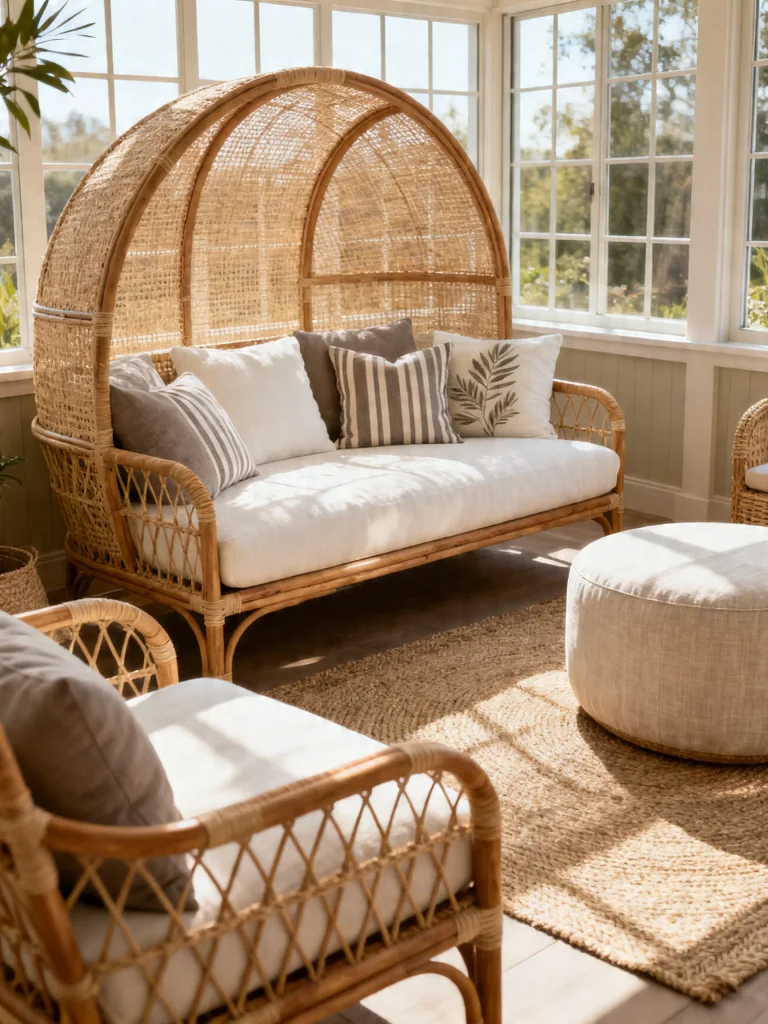
Rattan, wicker, cane, and light wood add organic texture that glows in sunlight. A rattan sofa or a pair of woven lounge chairs reads airy and casual, perfect for lingering. Balance woven frames with plush, performance-fabric cushions in oatmeal, taupe, or warm white, then add interest with striped or botanical pillows.
Mix one woven piece with upholstered items if you prefer less boho. The key is texture contrast: rattan chair + linen ottoman + jute rug = sunny sanctuary, instantly.
- Stick to a tight, sunwashe d palette so the textures shine.
- Include one rounded silhouette (arched back or drum table) to soften lines.
4. Create a Conversation-Friendly Seating Circle
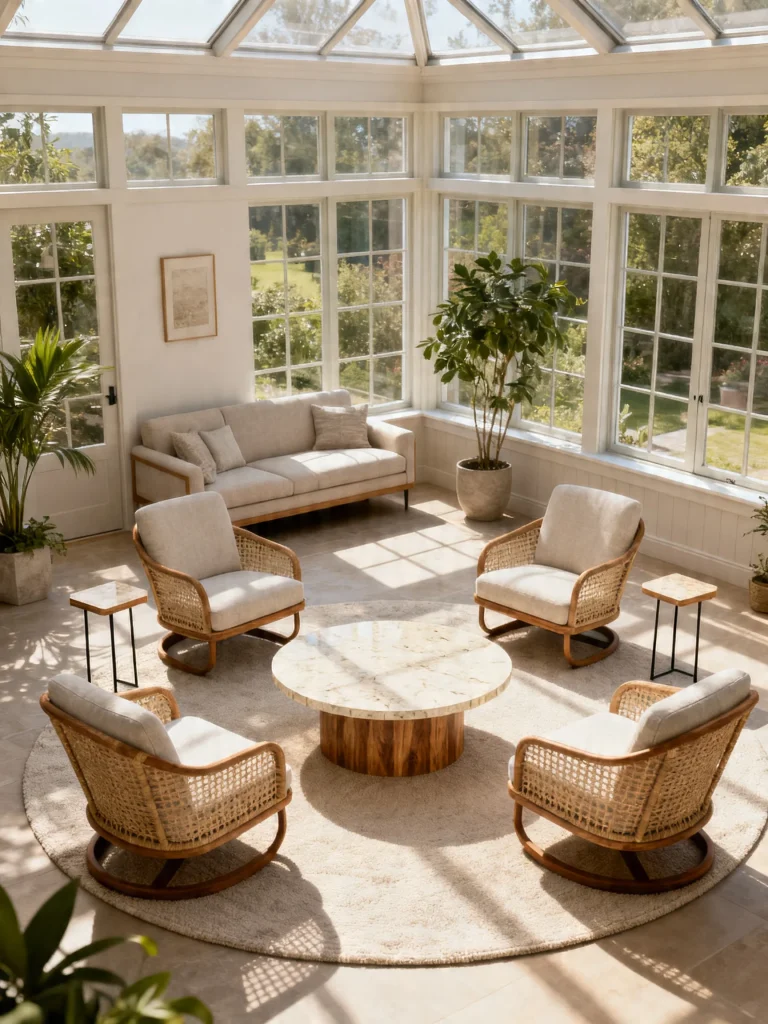
Design your sunroom like a boutique lounge: arrange seating to face each other, not just the view. A four-chair cluster with a round coffee table puts everyone within arm’s reach of drinks, snacks, or a plant-filled centerpiece. If space is narrow, try a loveseat plus two swivel chairs to pivot between conversation and windows.
Choose a low, round table (wood, travertine, or rattan) to keep the flow easy and sightlines open. Add a slim side table to every seat so guests have a landing spot for a book or mug.
- Ensure at least 30–36 inches of circulation space for comfy movement.
- Use a 6’–8′ round rug to define a tight chat zone without corners.
5. Design a Sunny Breakfast
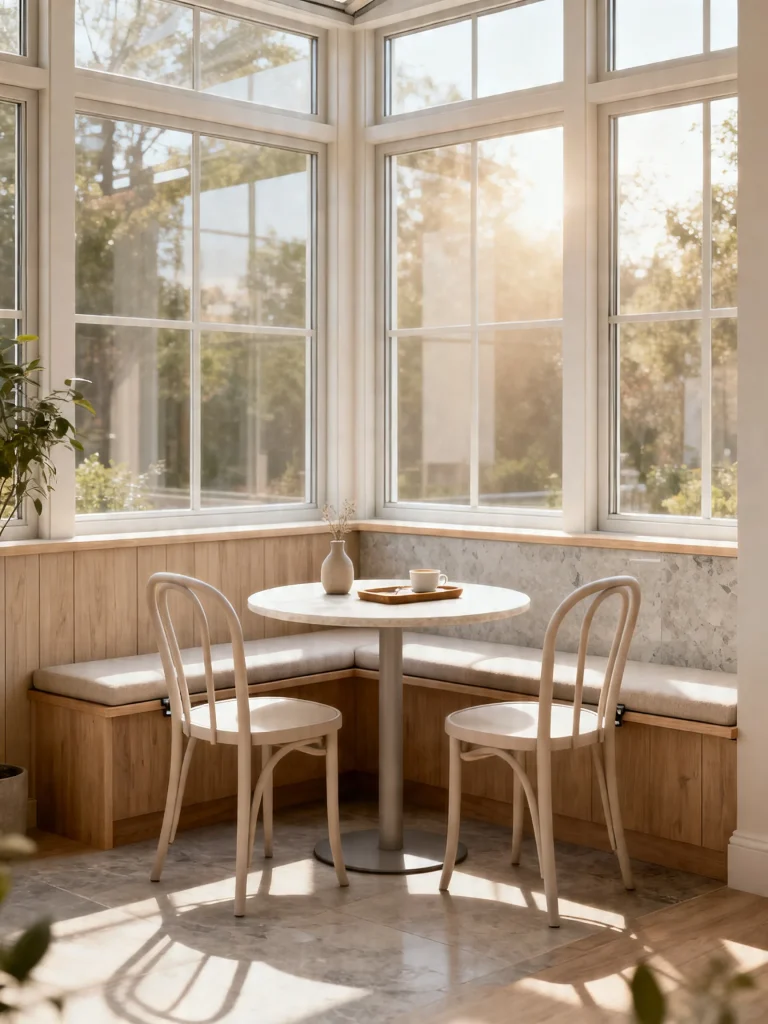
Turn one corner into a micro dining area for slow mornings and golden-hour dinners. A petite bistro table with two to four café chairs keeps it casual; or build in a slim banquette under the windows to save floor space and score hidden storage under the bench. For layout inspiration, this guide to creating a 4-chair sitting area breaks down spacing, tables, and rug sizes that work.
Keep the tabletop simple—vase, small tray, maybe a taper set—so it pivots from work surface to mealtime in seconds. Wipeable finishes (sealed wood, stone, or glass) make sunroom dining stress-free.
- Choose armless chairs to tuck fully beneath the table.
- Consider a round pedestal base to avoid leg battles in tight zones.
6. Add a Daybed or Chaise
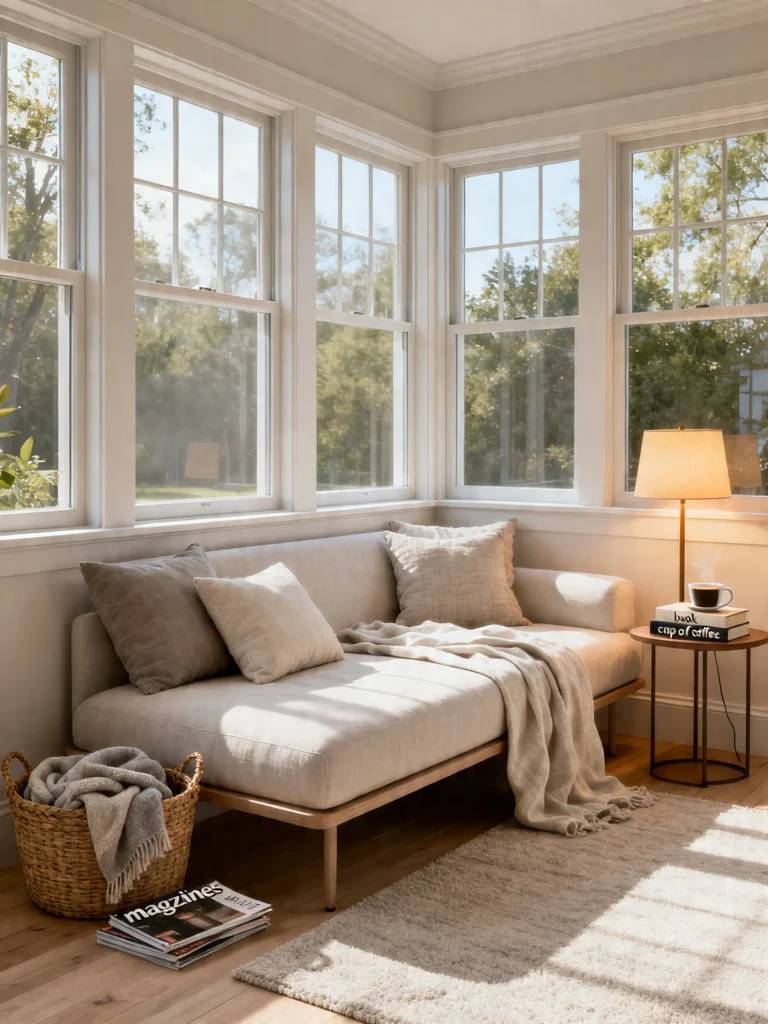
Make room for lounging. A modern daybed, upholstered bench with back cushions, or deep chaise turns a bright corner into a relaxation magnet. Layer with a breathable throw (linen or cotton) and two different pillow sizes for pro-level styling.
If you crave a reading corner, add a floor lamp with a warm 2700–3000K bulb, a small side table, and a basket for blankets and magazines. You’ll never waste another sun-drenched afternoon.
- Use performance fabric or slipcovers to resist fading and spills.
- Anchor with a low pile rug so it’s soft underfoot but easy to clean.
7. Choose Durable, Sun-Friendly Flooring and Rugs
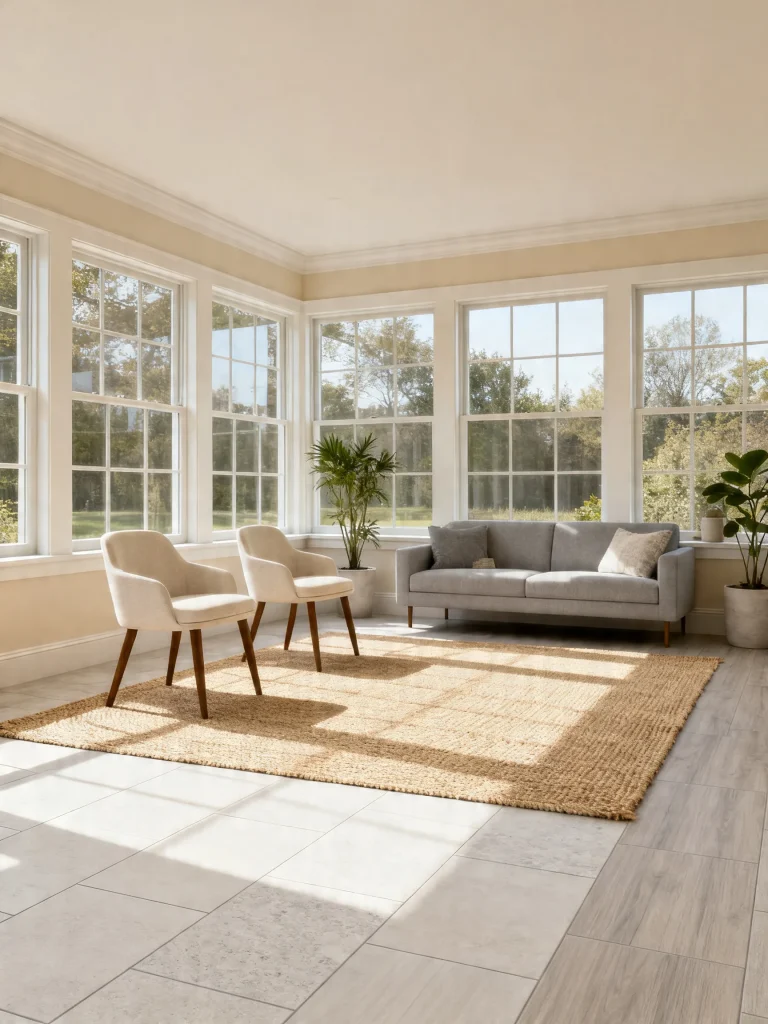
Sunrooms see a lot of foot traffic and UV exposure. Opt for light, matte finishes that hide dust and glare. Porcelain tile, sealed stone, or luxury vinyl plank (with texture) are durable winners. If you prefer wood, choose UV-finished engineered planks and layer area rugs for comfort.
Rugs should be indoor-outdoor or natural fiber blends (jute-sisal mixes) to withstand sunlight and the occasional plant watering mishap. A large rug that fits all front chair legs makes any seating area feel intentional and cozy.
- Use a breathable rug pad to prevent moisture buildup.
- Rotate rugs seasonally to even out sun exposure.
8. Control Glare with Smart Window Treatments
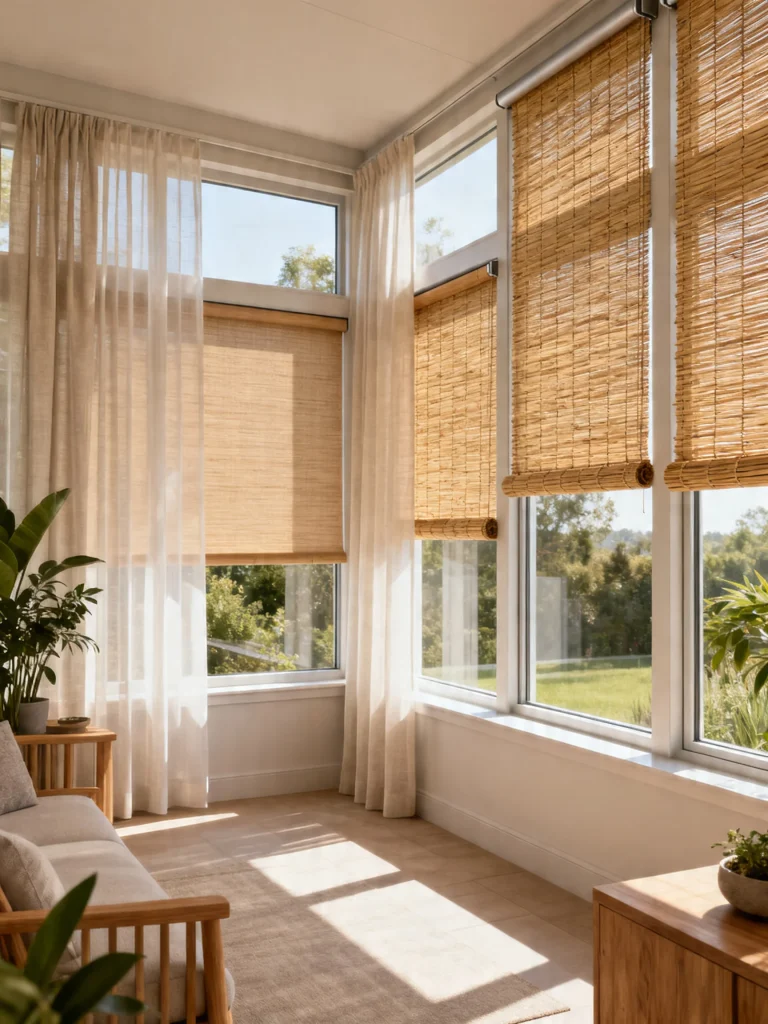
Balance brightness with comfort using light-filtering solutions. Sheer linen panels soften strong sun without blocking the view; solar roller shades cut UV and heat while preserving your outlook; woven wood shades (bamboo, grasscloth) add texture and diffusion.
For a tailored look, inside-mount roller shades and ceiling-mounted sheers can live together—shade down for heat, sheers drawn for softness. Motorized options are wonderful for tall or hard-to-reach windows.
- Choose warm white or oat for a glow that flatters wood and greenery.
- Layer blackout drapery only where you need occasional darkness (movie nights).
9. Plan for Year-Round Comfort
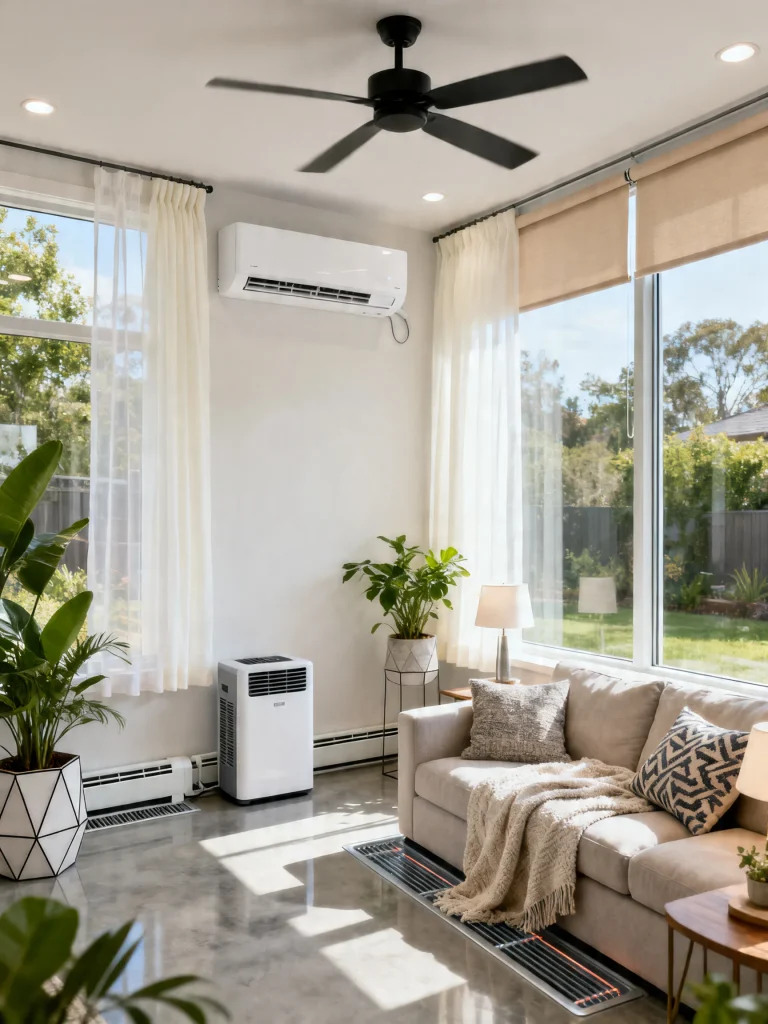
Sunrooms can swing from hot to chilly. Keep yours comfortable with layered climate controls: a ceiling fan for air movement, a ductless mini-split for quiet heating and cooling, and a slim electric baseboard or radiant mat for cool months. Thermal-lined curtains also help retain warmth on winter nights.
In summer, solar shades, cross-ventilation, and a small dehumidifier protect both you and your furniture. If you use space heaters, choose tip-over-safe models and keep cords clear.
- Target 30%–50% humidity for people, plants, and finishes.
- Seal gaps and add weatherstripping around doors for efficiency.
10. Curate a Sun-Washed Color Palette
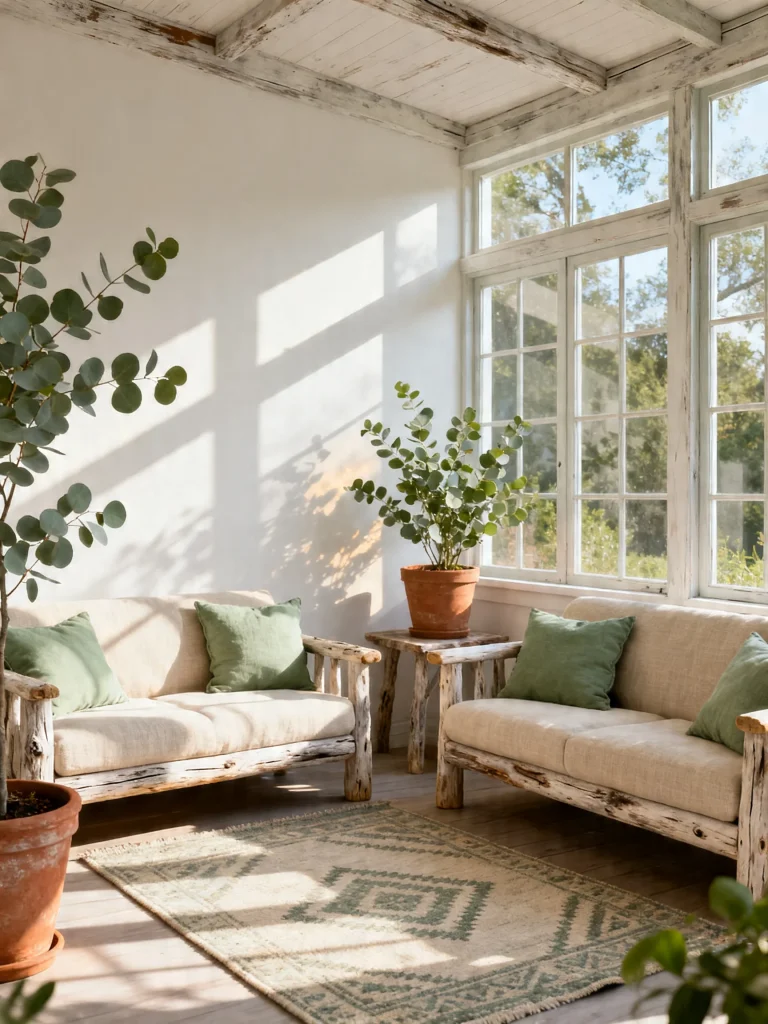
Sunlight changes colors throughout the day—choose hues that look lovely from dawn to dusk. Airy neutrals (ivory, biscuit, driftwood), soft sage or eucalyptus greens, and whispery blues feel serene and grounded by nature. For warmth, weave in clay, terracotta, or ochre accents through planters, pillows, or a vintage rug. Need help choosing the perfect lounge piece? Browse these daybed ideas to find styles and silhouettes that suit your space.
Test large paint swatches on all walls and view at multiple times; light neutrals with a touch of warmth (not stark blue-white) tend to feel welcoming in bright rooms.
- Repeat your main accent color in 3+ places to feel intentional.
- Let greenery act as your “color pop” if you love a calm backdrop.
11. Layer Ambient, Task, and Accent Lighting
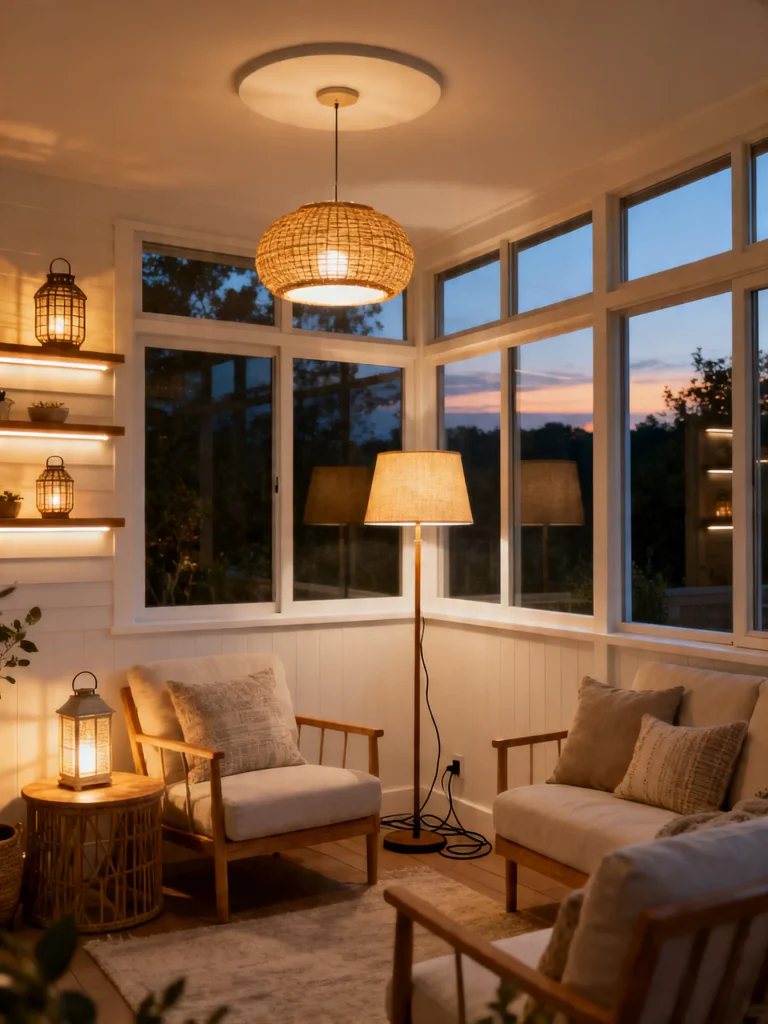
When the sun goes down, good lighting keeps the glow going. Combine a soft overhead source (pendant or flush mount), task lights (a floor or table lamp by each seat), and accent lighting (picture lights, LED strips on shelves, or a glowing lantern). Warm white bulbs (2700–3000K) mimic golden-hour light beautifully.
Dimmer switches are a small upgrade with a big payoff—dial up for board games, down for nightcaps. If your ceiling is glass, look to plug-in floor lamps and low-profile sconces to avoid glare.
- Hide cords with floor cord covers that match your rug or flooring.
- Use fabric or rattan lamp shades to diffuse and soften light.
12. Style with Simple, Nature-Forward Decor
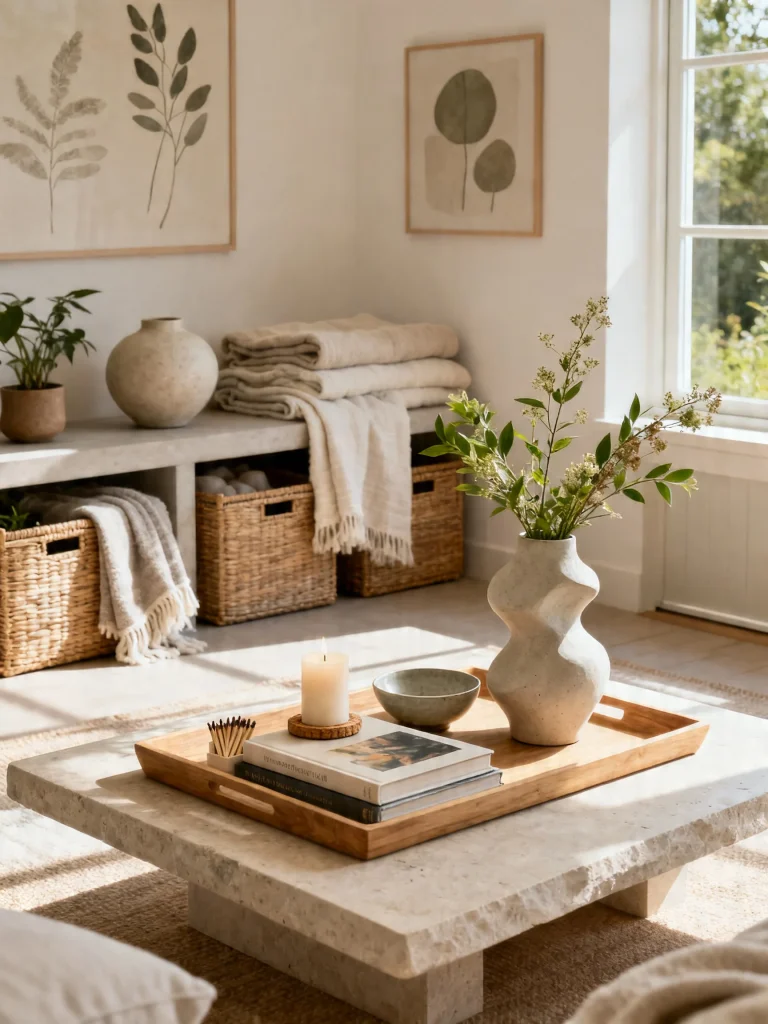
Keep accessories edited so the sunshine and plants remain the focus. Think: a wood or stone tray with a candle and match striker, a couple of art books, a small bowl for clippers, and a sculptural vase for clippings from your own plants. On walls, choose breezy artwork—botanicals, coastal sketches, or abstract landscapes—that echo the mood.
Mix tactile layers (linen, cotton, wool) and organic forms (rounded vases, pebbled ceramics) so the room feels collected, not cluttered. Less is more here; aim for breathable beauty.
- Display just one or two meaningful objects per surface.
- Use closed baskets to tuck away throws and plant supplies.
FAQs
What’s the difference between a sunroom, solarium, and conservatory?
In everyday use, these terms overlap. A sunroom generally means a living space with abundant windows designed for lounging. A solarium is often fully glazed (including the roof) to optimize sunlight. A conservatory traditionally leans more greenhouse-like, originally for cultivating plants. In modern homes, most people say “sunroom” for a comfortable, light-filled living zone connected to the outdoors.
Which plants do best in sunrooms?
For bright, indirect light: monstera, philodendron, snake plant, and ZZ plant. For strong direct sun: jade, aloe, bougainvillea, banana, and rosemary. Always match plant choice to your sunroom’s specific light and temperature, and rotate plants monthly for even growth.
How can I keep my sunroom cool in summer and warm in winter?
Combine passive and active strategies: solar shades, sheer curtains, and cross-ventilation for summer; a ceiling fan to move air; and a ductless mini-split, radiant mat, or baseboard for winter warmth. Seal gaps and use thermal-lined drapes on cold nights.
Do sunrooms fade furniture and rugs?
UV exposure can fade textiles and finishes over time. Choose performance fabrics with UV resistance, rotate rugs seasonally, use solar shades during peak sun, and consider lighter, matte finishes that disguise wear gracefully.
What size rug works best under a sunroom seating area?
As a rule, choose a rug large enough for at least the front legs of each chair or sofa to rest on it. For a four-chair conversation circle, a 6’–8′ round or a 6′ x 9′ rectangle usually anchors the layout nicely.
Bring the Sunshine Home
Whether you’re layering plants, swapping in woven textures, or carving out a cozy daybed nook, these indoor sunroom ideas make it easy to create a space you’ll love from sunrise to starlight. Save this post, share it with a friend who needs more sunshine, and start decorating—your new favorite room is just a few stylish tweaks away. If you’re dreaming bigger than a refresh, these garden room extensions ideas will help you plan a beautiful light-filled addition.